Last update: 2025-01-01
Perfect camera bag setup didn’t exi…
I quietly enjoy capturing photos of the people I meet, the places I visit, and the things that inspire me—like architecture, engineering, and art. To simplify traveling and avoid the complexity of lugging around a full camera kit, I’ve switched to using compact fixed-lens cameras. The FujiFilm X100VI is one of my favorites.
Below is my camera bag setup.
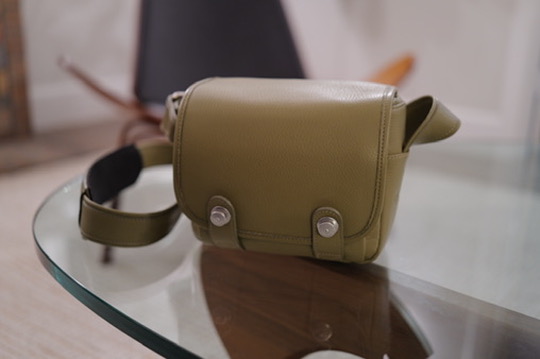
The Bag: Oberwerth The Q Bag® Casual (Phil) – Leica Q3 Bag
I fell in love with this soft leather, minimalist camera bag for my Leica Q3 43—so much so that I got another one for my X100VI. It’s on the pricier side, but the supple leather and classic design give it a fun messenger-bag vibe.
What’s Inside the Bag?
I like to keep things simple but always have a backup option for batteries and an SD card. I regularly transfer photos to the cloud via my iPhone, so I don’t need a lot of extra storage. However, I often find myself taking a lot of photos while traveling without access to stationary electricity, so I make sure to have a few spare batteries on hand.
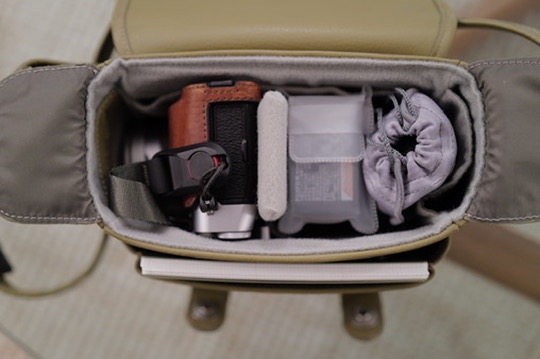
The camera, with a half-case and a hood, along with extra batteries in a case, a charger and power cable, a neck strap, and a small A6 notebook with a pen, all fit perfectly inside this messenger bag.
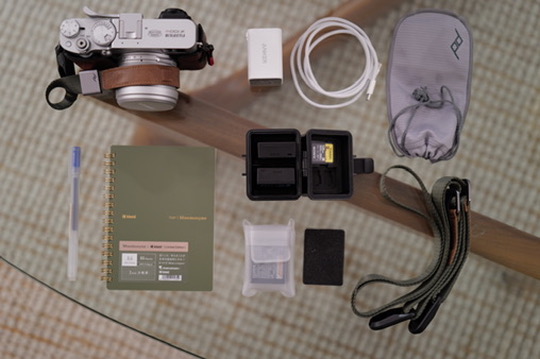
The Camera: FujiFilm X100VI
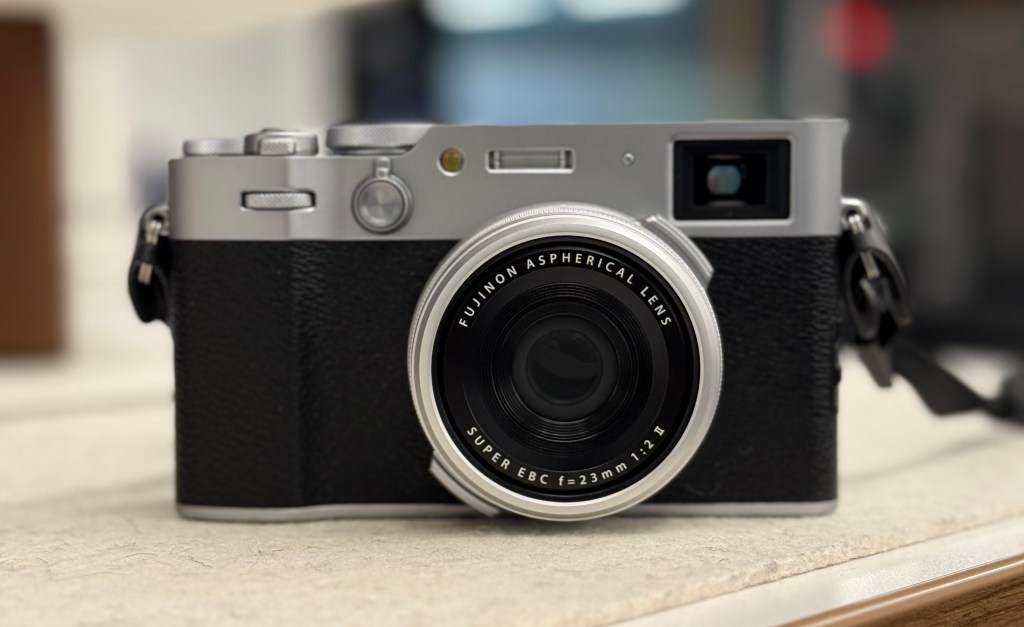
This camera gained a lot of internet fame in 2024. It’s an evolution of the X100V, which was already a favorite among the photography community. What I truly enjoy about this camera is its compact size and lightweight body (521g), paired with its analog camera look and feel. The 40.2MP sensor with a 23mm f/2.0 lens (35mm equivalent) is more than capable of capturing the richness of the world around us. However, the SD card slot is still UHS-I rather than UHS-II, so it’s not as fast as some other cameras that support UHS-II. That said, I didn’t find this to be an issue.
Accessories for the Camera
For durability & usability, I’ve clothed the camera with a leather half-case from Muziri Kinokoo. It has a convenient leather flap at the bottom, allowing for easy battery swaps. The case also provides a bit of front grip, making it more comfortable to hold and carry the camera throughout the day.
To improve thumb grip, I’ve attached the Haoge thumb grip (THB-X2S), which fits into the camera’s hot shoe. For the lens, I’ve added Tiffen 49mm Pro-Mist 1/8 filter (49BPM18) and covered it with the Haoge lens hood (LH-X54W), which includes a 49mm adapter ring. To protect the LCD screen, I applied a Mr. Shield Screen Protector.
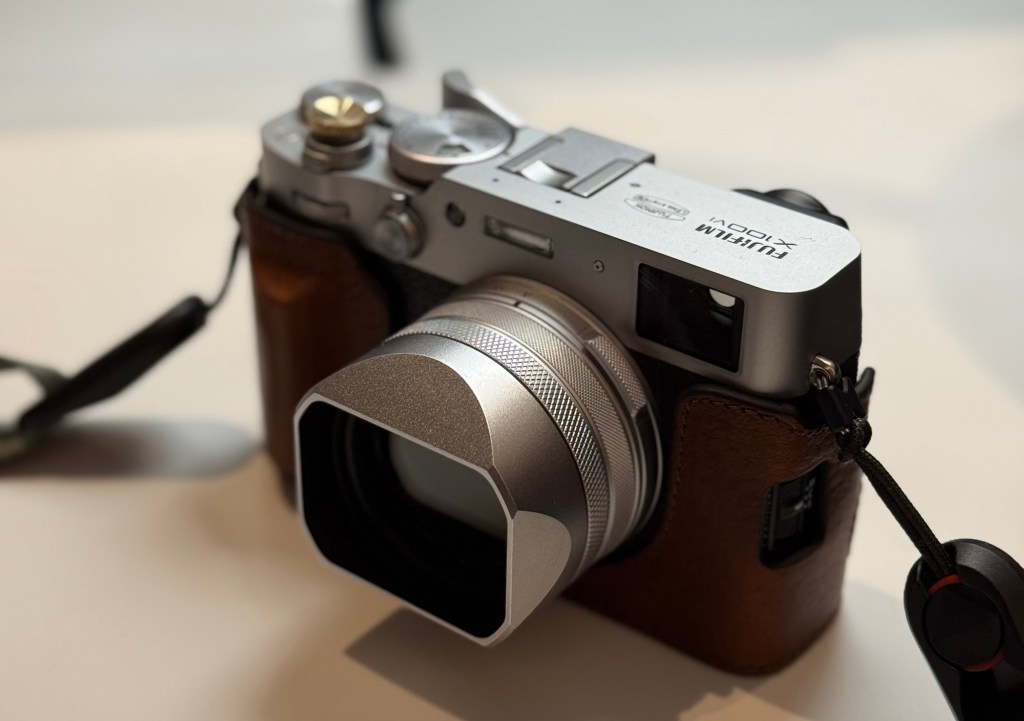
I briefly used a brass soft release button but decided to remove it because it added extra height to the camera, which put pressure on the shutter button when placed inside the bag.
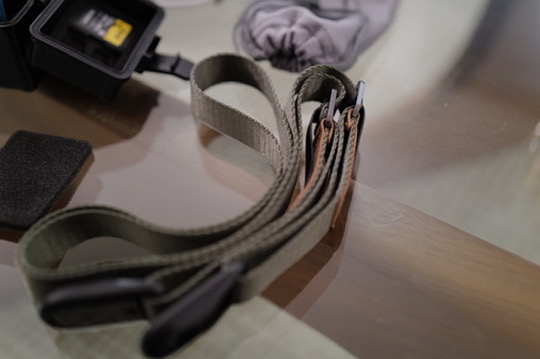
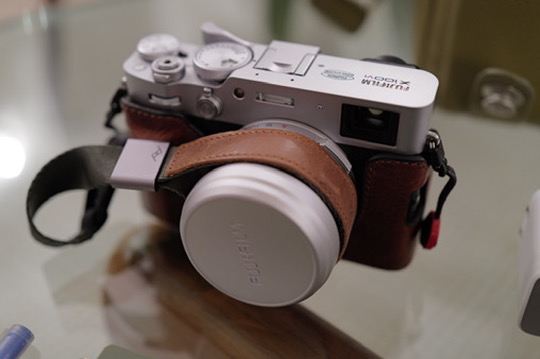
For straps, I alternate between Peak Design‘s Leash and Wrist Strap, depending on the situation. Their Anchor Link system makes swapping between them easy, though the red ring on the anchor can be a bit visually distracting.
When tucking the camera into the bag, I wrap the strap around the lens for a bit of added organization, though it’s not necessary.
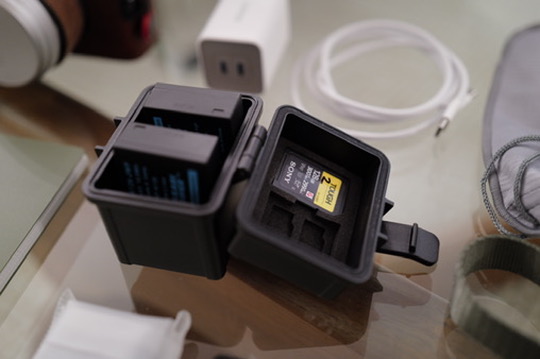
For power, while pricey, I do recommend using official batteries (Fujifilm NP-W126S). However, the Wasabi dual-charger is affordable that it’s hard to pass up. Although my shooting environment may not be as exciting as National Geographic’s, I opted for Sony‘s TOUGH-G SD Cards. They support UHS-II for faster write speeds, are compatible with both the X100VI (UHS-I) and the Leica Q3 43 (UHS-II), and of course, I got the 128GB, because why not.
To carry the batteries and SD cards, I use the JJC portable battery & memory card case. While the Fuji batteries leave a bit too much space inside the case, the included sponges help keep them relatively secure in place.
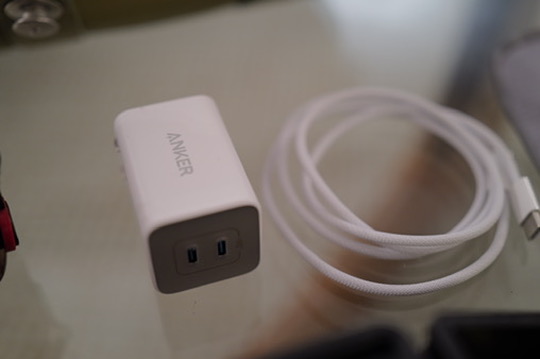
For the main power adapter, I use the Anker Nano Charger (47W USB-C), which supports two ports, making it easy to charge both the camera and my phone simultaneously. When I want something smaller and lighter, I switch to Anker’s single-port power charger.
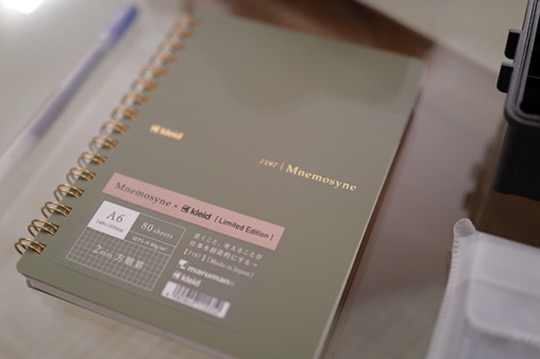
Lastly, as you may know, I’m a pen & notepad enthusiast. I believe all humans deserve a good pen and paper to write down their wonderful ideas—whether they lead to a billion-dollar business or art that influences human civilization for generations to come. For this bag’s front pocket, which fits A6-sized notebooks, I chose the Maruman Mnemosyne A6. While the general version (N176) would work well, I opted for the Kleid Limited Edition (7197) to match the bag’s color. Through the double-ring binder goes Muji pen, though I could have gone with Caran d’Ache as well.
When everything comes together, it all fits seamlessly into this lovely bag. 🙂

Summary of My Camera Bag
- The Bag: Oberwerth The Q Bag® Casual (Phil) – Leica Q3 Bag
- The Camera: FujiFilm X100VI
- Accessories for the Camera
- Muziri Kinokoo leather half-case
- Haoge thumb grip (THB-X2S)
- Haoge lens hood (LH-X54W)
- Tiffen’s 49mm Pro-Mist 1/8 filter (49BPM18)
- Mr. Shield Screen Protector
- Peak Design Leash Strap
- Peak Design Wrist Strap
- Batteries: Fujifilm NP-W126S official batteries
- Battery Charger: Wasabi dual-charger
- JJC portable battery & memory card case
- Sony’s TOUGH-G SD Card 128GB
- Anker Nano Charger (47W USB-C) 2-port
- Maruman Mnemosyne (N176) or Mnemosyne Kleid Limited Edition (7197)
- Muji pen or Caran d’Ache pen
And of course, there’s a short video to show how it all looks in case you missed the photos above:
Hope you enjoy & let me know what works for you! 🙂


Leave a Reply